
The Powerhouse of Tillage: Why Choose a Plough Manufacturer in Gujarat?
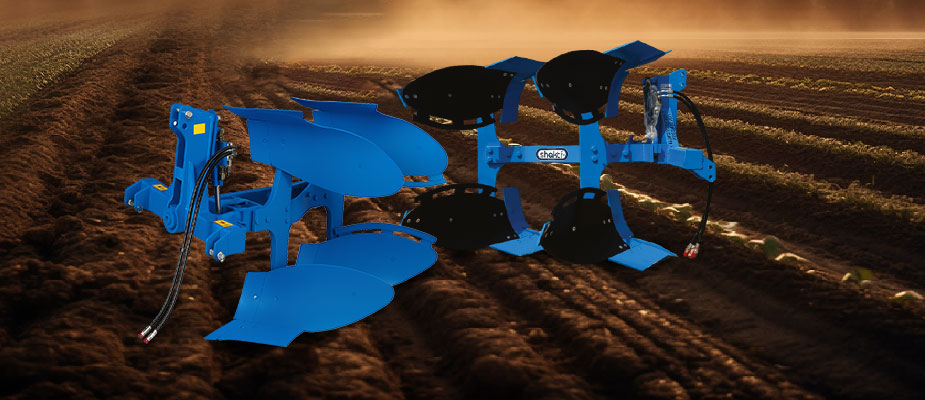
Gujarat has been referred to as the “Engineering Capital” of Indian Agriculture for many years now. When you get a plough manufacturer in Gujarat, you are not simply purchasing a piece of steel but also a legacy of engineering excellence. The state has its manufacturing ecosystem built on a solid foundation of high-grade metallurgy and farmer-focused innovations from Rajkot to Ahmedabad to Shapar
- Precision Engineering: The manufacturers of Gujarat utilise state-of-the-art CNC machining and laser-cut methodology to ensure every plough share is precisely identical, reducing drag and fuel consumption.
- Material Strength: The factories located in Gujarat manufacture agricultural implements using Boron Steel and High Carbon Steel to withstand “black cotton” soils and hard-panned layers that are prevalent throughout Western India.
- Cost Effectiveness: With such a large concentration of ancillary industries in one area, a plough manufacturer in Gujarat can offer the best quality at highly competitive prices when compared to imports.
- Rajkot: The centre of gravity for tractor attachments. If there is any new tillage technology to enter the market, it is most likely to have originated in Rajkot.
- Ahmedabad: The heavy-duty/large-scale industrial ploughs and export-quality machinery.
- Morbi & Surendranagar: Emerging hubs that focus on specialised components and hydraulic assemblies for reversible ploughs.
Ready to Upgrade Your Fleet?
Explore the latest inventory from the leading plough manufacturer in Gujarat and get a custom quote for your farm today!
Reversible Plough Suppliers in India: Revolutionising the Furrow
The days of traditional long-ploughing systems, where a tractor will turn at the headlands about 30% of the time, are nearly gone. The introduction of modern reversible plough manufacturers in India is changing this reality by literally changing the productivity for farmers.
In What Ways Is the Reversible Plough a Game-Changer?
The design of the reversible (or “Palti”) plough utilises two different bottom types (mouldboards). The Plough is designed to turn the soil to the right and to the left. The task of a farmer is then to flip over the reversible plough after completing a row. The farmer may then move back over the same furrow as before.
The major benefits of using the Reversible Plough include:
- Uniform Land Levelling: Because all soil is turned in the same direction, your fields will yield the best water and irrigation results.
- Reduced Amount of “Idle” Time: Farmers no longer need to make large turns when planting new rows, thus reducing tyre wear and using up to 25% less fuel.
- Improved soil health: By turning soil deeply, you can bury crop residue and weeds, helping create organic manure while exposing bug eggs and bugs to the sun.
Selecting Reversible Ploughing Suppliers in India
There has been a recent rise in demand for suppliers of reversible ploughs, so now there are both mechanical and hydraulic versions available.
- Mechanical Reversible: The plough can be used on tractors with 35HP to 45HP (can be turned over by either a manual lever or a spring-loaded mechanical device).
- Hydraulic Reversible: The most advanced design by 2026 will allow users to operate the plough from the seat of the tractor through a hydraulic control connected to the tractor’s hydraulic distributor. Hydraulic reversible ploughs are designed for tractors over 50HP.
Boost Your Efficiency by 30%!
Connect with top-rated reversible plough suppliers in India to find the perfect match for your tractor's horsepower.
The Anatomy of a Modern Tractor-Operated Plough
Tractor-mounted ploughs are more than just tools for digging holes in the ground; they are complex machines designed to work in conjunction with your tractor’s engine and drivetrain. Understanding the components of tractor-operated ploughs will help you better choose the right model for your farm and/or contractor needs.
Important components to consider when selecting a tractor-mounted plough:
- Frame: Look for one made of a “high tensile box frame” design, which will have the proper weight for penetrating the soil, but also will not bend when subjected to high torque loads.
- Mouldboards: The mouldboards are considered to be the “wings” of the plough and are responsible for flipping the soil. They are made of different types of materials, and some of the best tractor-operated ploughs will use heat-treated mouldboards to prevent the soil from “scouring” or sticking to them when you are ploughing.
- Point (Share): The point is the component that takes the most abuse; therefore, it is recommended that you purchase a brand of tractor-operated plough where the manufacturer offers “wear parts” that can be replaced instead of having to buy a complete assembly when the edge becomes dull.
- Coulters & Jointers: Coulters and jointers are used to cut through heavy trash or large roots, which helps to avoid clogging the plough.
Innovations for 2026 - Smart Tillage
With the development of new tractor-operated ploughs, the most advanced new models are now equipped with GPS and IoT technologies.
- Auto Depth Control: Ploughs now have sensors mounted to them that communicate with the tractor’s hitch so that the plough can maintain consistent depth through the ploughing process, regardless of changes in soil density.
- Shear Bolt Safety: Modern tractor-mounted ploughs now come with safety bolts that will shear off if the plough strikes a large rock to provide protection for the tractor’s expensive transmission.
Comparing the Types of Ploughs: Which One Do You Need?
When selecting an implement for primary tillage, you have to be very careful in making sure that you have the right product, whether it comes from a plough manufacturer in Gujarat or a reversible plough supplier India. You will also have to consider both your soil’s resistance and the capabilities of your tractor.
Here are three of the most common kinds of tractor operated ploughs you can currently choose from:
- Mouldboard (MB) Plough: This plough is used for complete inversion of the soil, and is generally preferred by farmers who want to bury their crop residue, weeds and other organisms deep enough into the soil that they will decompose quickly.
- Disc Plough: This plough is built for tough conditions, as its large rotating steel discs can easily penetrate the earth. Therefore, it is usually the implement of choice when working in “stony” or abrasive soil where a conventional share could break off.
- Chisel Plough: The chisel plough is not an inversion tool like the first two, but is known as a “minimum tillage” tool. Instead of turning over the soil, the chisel plough has very heavy tines which will break up any compacted layer (or “hard-pan”) that is underneath the soil surface.
Don't Guess, Decide with Data!
Not sure which tractor operated plough fits your soil type? Take our 2-minute "Soil-to-Tool" quiz and find your perfect match.
Maintenance: How to Make Your Plough Last a Decade
Proper maintenance is essential to extend the useful life of any tool, including those made by the top plough manufacturer in Gujarat; in 2026, longevity of implements is the primary determinant of farm profitability.
- Inspect Daily: Tighten nuts and bolts; vibrations generated by ploughing with a tractor may loosen even the most securely fastened parts.
- Lubricate: If using a hydraulic reversible plough, grease the pivot points every 8–10 hrs of use.
- Prevent Rust: After your season has ended, clean the soil off the plough and coat the polished surfaces of shares and moldboards with used oil or grease.
- Replace Shares: Do not wait until your shares are completely worn. A dull share increases fuel usage as the tractor has to work harder to pull through the soil.
The Economic Impact: ROI of a Quality Plough
In terms of dollars and cents, there’s a bit of fear among some agricultural producers at the premium price point of quality reversible plough suppliers India; however, the return on investment (ROI) can often be seen after only the first two seasons!
- Fuel Savings: A reversible plough reduces ‘dead-heading’ (driving when not ploughing) and may save hundreds of litres of diesel across 100 acres.
- Reduced Labour Costs: Closing primary tillage will require significantly fewer man-hours.
- Increased Yields: Due to better aeration and deeper root penetration, yields in quintals are generally higher on precision-ploughed fields as compared to conventional tillage; in 2026, precision-ploughed fields are expected to yield 12-15% more than conventional tillage.
Conclusion: Tilling the Future
The agricultural technology landscape has changed dramatically since 2020. The development of reliable plough manufacturers in Gujarat and quality reversible ploughs suppliers India has helped to ensure that farmers can count on getting the support and replacement parts they need when they buy a plough.
The way we utilise our tractors as partners to help us run our farms has also changed significantly over the last few years. This has allowed the agricultural community to find new ways to increase efficiency through technology.