How Many Ploughings Before Sowing the Fields?
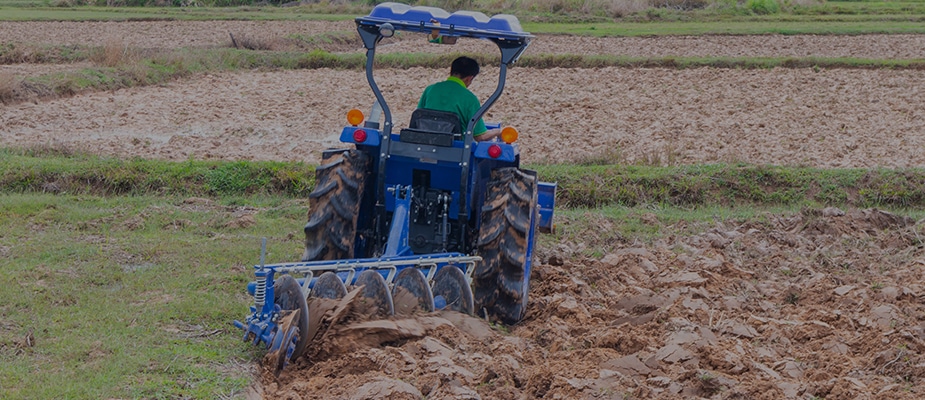
More Ploughing Doesn't Always Mean Better Soil Preparation.
Many farmers practice multiple ploughings of their fields (2–3–4), thinking that the more ploughing, the better the preparation of the soil.
However, each new operation requires diesel, tractor time, and work. Sometimes, too much tillage may even harm soil structure rather than benefit it.
So, how many ploughings should you do before sowing your fields?
No fixed number exists here. For conventional farming, a single primary ploughing operation, well done and followed by appropriate secondary tillage, may be sufficient for many fields.
But the main thing is not the number of ploughings. It’s correct tillage with the right tractor-operated plough.
Primary Ploughing and Secondary Tillage: What Are These Operations?
Before considering how often to plough the field, we need to know about these operations.
Primary Ploughing: The first operation that turns or loosens the soil. Implements such as mouldboard ploughs and hydraulic reversible ploughs are used here.
Secondary Tillage: Operations after primary tillage (if needed), using cultivators or harrows to break up clods, level the field, and prepare a seedbed.
Each field does not need multiple primary ploughings. The number of operations is determined by soil conditions, cropping history, and sowing requirements.
Why Too Many Ploughings Are Bad for Farmers
Excessive ploughing can cause these problems:
- Increased Costs: Each additional tillage operation increases diesel consumption, labour and tractor wear.
- Soil Structure Damage: Over-tilled soil is more susceptible to crusting and erosion.
- Soil Compaction: Machinery traffic on wet soil can increase soil compaction.
- Moisture Loss: Over-tilled soils tend to have more exposed moist soil and, therefore, lose moisture through evaporation.
For large farms, avoiding unnecessary operations can be particularly important.
Find out more about how hydraulic reversible ploughs can help reduce diesel costs.
When Do You Need Additional Ploughings?
It all depends on three factors.
1. Soil Type and Conditions
Specific tillage measures may be needed for heavy black soils and compacted soils. Incorrect tillage operations at unsuitable soil moisture levels may result in the formation of large clods or damage to soil structure.
Read more about the negative effects of wet soil ploughing.
2. Crop Residues and Weeds
Fields with heavy crop residues or persistent weeds may require additional field preparation. However, more ploughing is not always the best solution. The right approach depends on residue levels, weed pressure, and the crop being planted.
3. Crop Needs
Different crops require different soil preparation. For instance, sugarcane cultivation may require deeper soil preparation than some seasonal crops.
The right number of tillage operations is dictated by the needs of your field, not by the usual number of ploughing times.
How Can the Right Tractor-Operated Plough Increase Efficiency?
Selecting an appropriate tillage implement is important for efficient primary tillage.
A hydraulic reversible plough makes it possible to turn the soil consistently during back-and-forth ploughing.
The hydraulic turnover system helps reduce the formation of unwanted ridges and dead furrows associated with conventional one-way ploughing patterns.
Before choosing a ploughing implement, consider:
- Tractor Horsepower: Choose an implement that matches the pulling capacity of the tractor.
- Working Depth: The depth should correspond to soil and cropping conditions.
- Soil Suitability: Choose a tillage implement that suits your field conditions.
- Durability: Strong construction and the availability of spare parts are important considerations.
Choose the Right Plough With Shakti Agrotech
As a hydraulic reversible plough manufacturer in India, Shakti Agrotech produces tractor-operated ploughs for different tractor capacities and soil conditions.
The right ploughing approach depends on your soil, crop, and field conditions. Choose an implement that matches your tractor’s capacity and your cultivation requirements. Contact Shakti Agrotech to discuss the suitable hydraulic reversible plough configuration for your farm.