
When Is the Right Time to Plough After the Monsoon? A Farmer's Guide to Soil Moisture
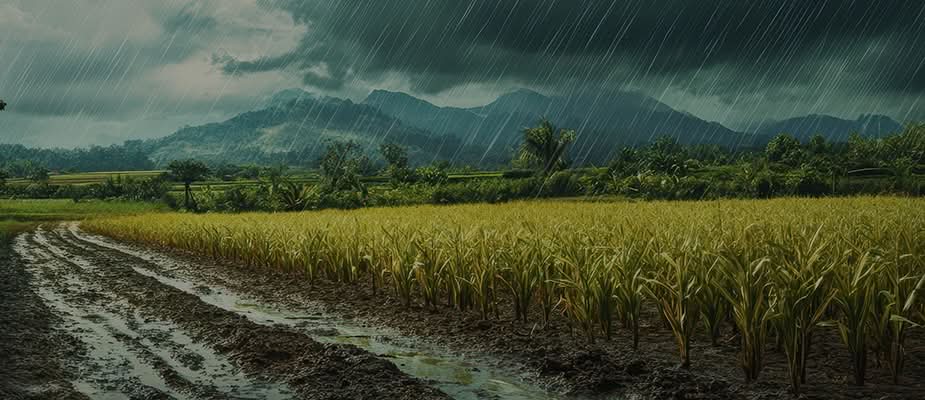
The monsoon may be over, but that does not always mean the field is ready for the tractor. As a hydraulic plough manufacturer, Shakti Agro faces this question every season.
Plough too early and wet soil sticks, smears, and compacts. Wait too long and hard soil makes the tractor work harder. The right time depends on the field, the soil, the weather, and the crop that comes next
Three days after the last rainfall does not automatically mean it is time to plough. Some soils dry quickly. Others hold moisture much longer. Heavy black soil can stay wet below the surface even when the top looks dry. On the other hand, low-lying parts of a field often stay wetter than the rest.
Take a handful of soil from the depth you intend to work and squeeze it. If it feels sticky, forms a tight ball, or leaves a smear, it may still be too wet. If it breaks apart when pressed, conditions are generally suitable. The aim is soil that is moist enough to work but dry enough to crumble.
What Happens When You Plough Wet Soil?
A tractor travelling over wet ground can leave deep wheel marks and increase compaction, and the plough can drag wet soil instead of turning it properly. Farmers may notice soil sticking to the plough, uneven furrows, deep tractor marks, poor soil breakup, and greater tractor effort. A well-built hydraulic reversible plough cuts more cleanly through variable ground, but no design fully substitutes for the right moisture window.
Dealing with sticking, uneven furrows, or a struggling tractor? The right implement can make wet or heavy soil easier to manage. See Shakti Agro’s plough range.
Don't Wait Too Long, and Match the Next Crop
As soil loses moisture, it becomes harder to penetrate. This results in needing more pulling power while the plough struggles to hold a consistent depth. Good post-monsoon ploughing depends on finding the window where the soil is neither saturated nor excessively hard.
For rainfed rabi crops such as mustard and taramira, farmers in several regions plough and follow it with planking to conserve moisture left in the soil after the monsoon retreats. So timing is about how much usable moisture remains, not just whether the rain has stopped. Heavy soils retain moisture longer than lighter, better-drained ones. Therefore, a tractor-operated plough matched to your soil type makes the judgment easier to act on. Field preparation should also connect to what you plan to sow next; more ploughing is not automatically better, and one well-timed pass may be enough.
What About a Hydraulic Reversible Plough?
Once the field reaches the right condition, the choice of equipment matters. A hydraulic reversible plough lets the farmer reverse the implement at the end of the field and continue in the opposite direction, helping with efficient soil turning. For fixed-direction work, a standard tractor-operated plough remains a reliable option.
Consider horsepower, number of bottoms, working width, working depth, and soil condition before choosing an implement. A plough that is too large puts an unnecessary load on the tractor; one too small takes longer to cover the field.
As an established agricultural plough manufacturer, Shakti Agro builds ploughs for different tractor capacities and farming requirements.
Check the Field Before You Start
A quick check can prevent hours of unnecessary work. Walk the field first, looking for standing water and unusually soft patches, then test the soil by hand. Check the tractor tyres, hydraulic connections, and hitch, and inspect the plough’s working parts.
Start with a short pass rather than committing to the whole field. If the soil breaks properly and the tractor moves without excessive effort, conditions are likely suitable. If the soil sticks heavily, stop and reassess.
Even the best hydraulic plough for tractors cannot compensate for unsuitable soil conditions. Experienced manufacturers can help farmers weigh tractor capacity, working width, and soil conditions before selecting a model, rather than simply choosing the largest implement available.
Not sure which plough configuration suits your farm? Share your tractor and field requirements with the Shakti Agro team. Talk to Shakti Agro
Rainfall, soil type, drainage, and the next crop all influence when a field is ready. There is no universal date: if the soil is too wet, wait; if it has become excessively hard, you may have waited too long. When it crumbles properly and the tractor moves without excessive effort, the field is close to ready.
As a plough manufacturer in Gujarat and agricultural plough exporter, Shakti Agro works with farmers to match the right implement to the right field, season after season.